
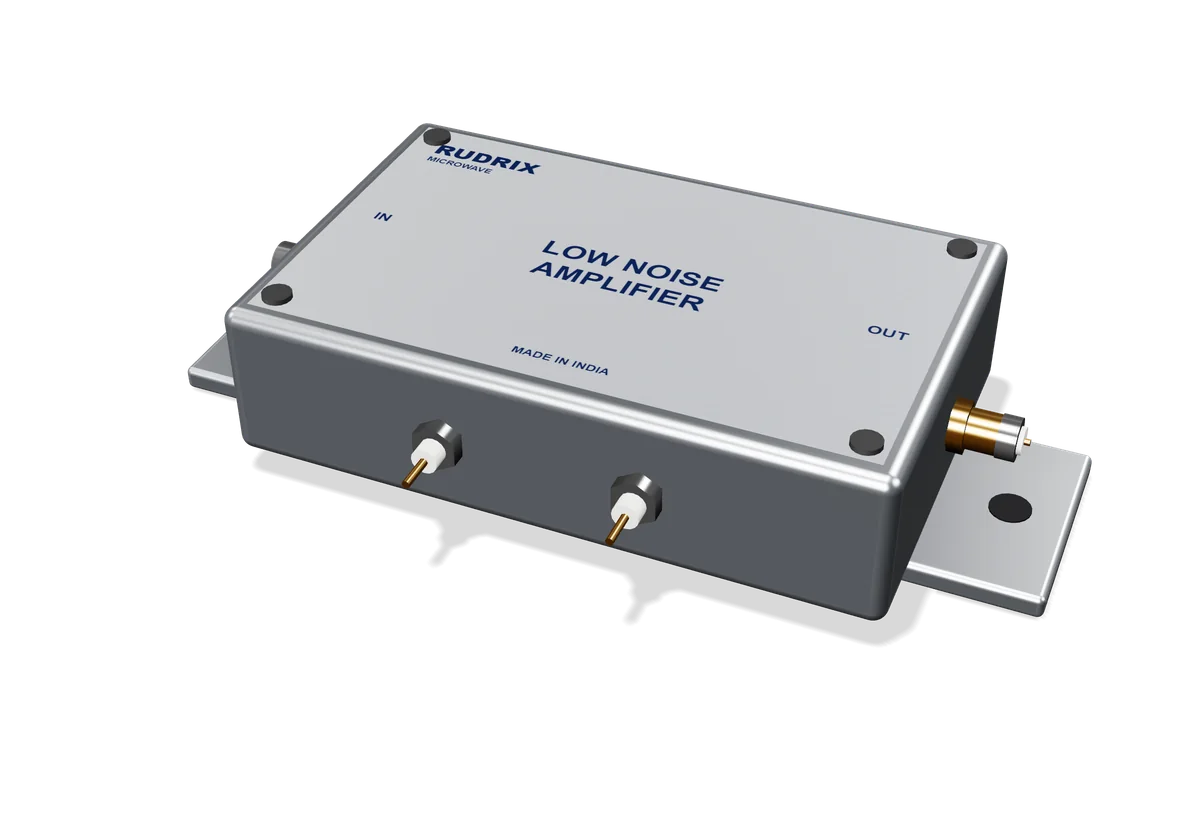
Low Noise Amplifiers (LNA)
Minimum noise figure with high gain at the front of receive chains, preserving system sensitivity.
Home RF Components
Five families and eighteen component types that complete the RF chain, from the antenna port to the receiver and transmitter, designed and built in-house.
Gain stages and frequency translation for receive and transmit chains.
Minimum noise figure with high gain at the front of receive chains, preserving system sensitivity.
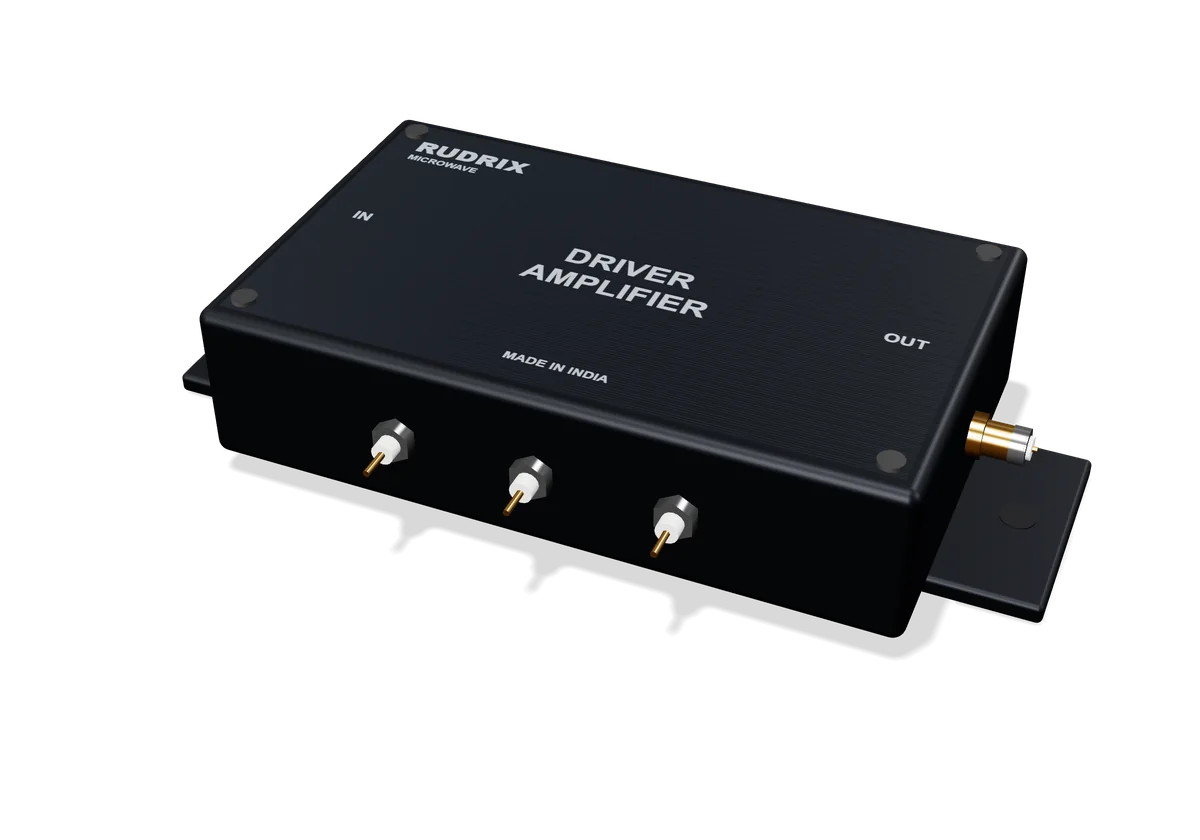
Linear medium-power gain that raises signal levels ahead of the final power stage.
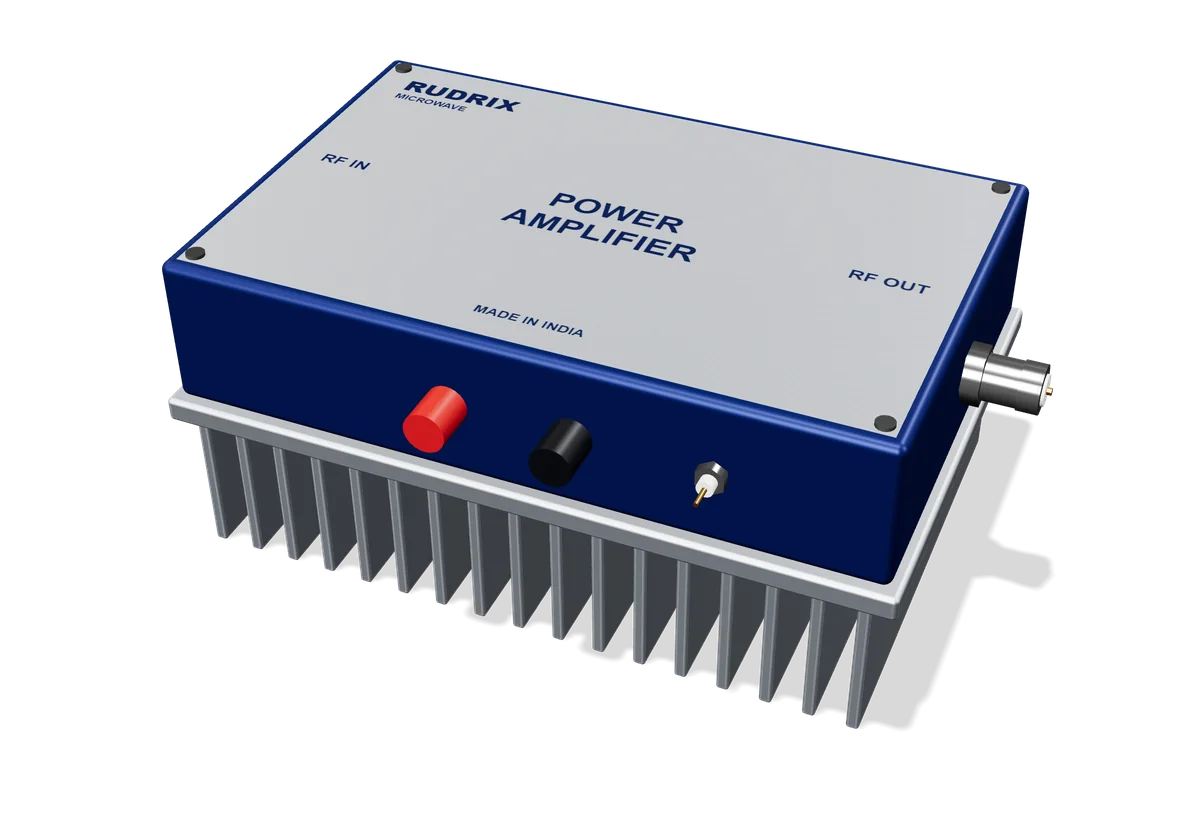
High-output solid-state amplification for transmitters, with thermal design for continuous operation.
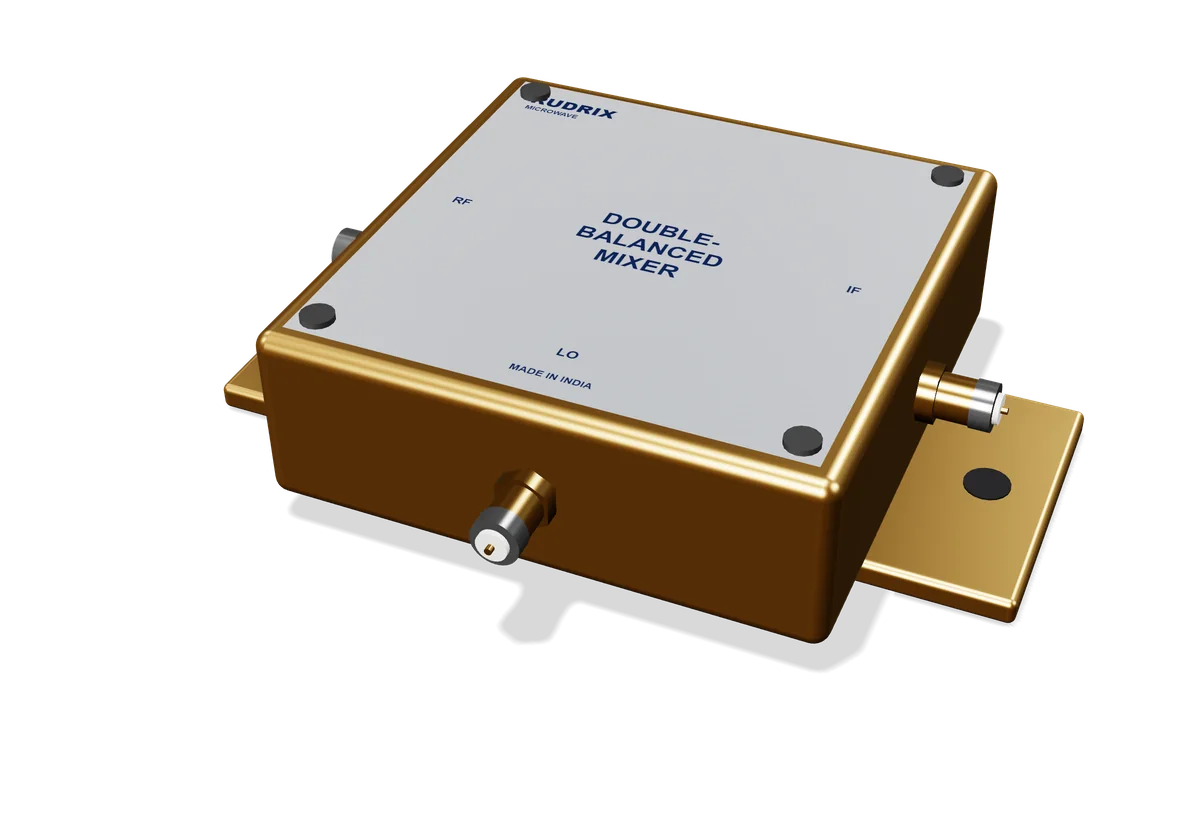
Double-balanced mixing for up- and down-conversion, with high LO-to-RF isolation.
Splitting, combining and sampling RF power, and forming beams for array antennas.
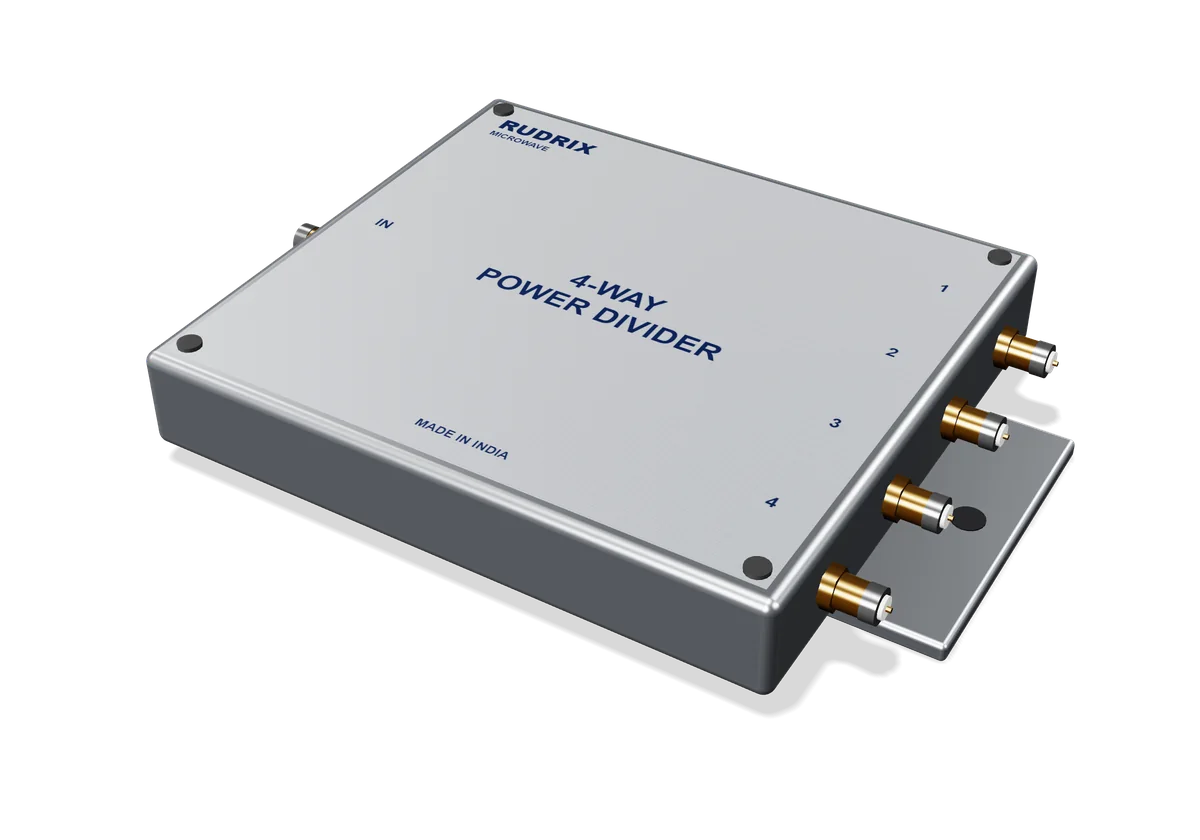
Wilkinson and reactive dividers and combiners with low loss and good port-to-port isolation.
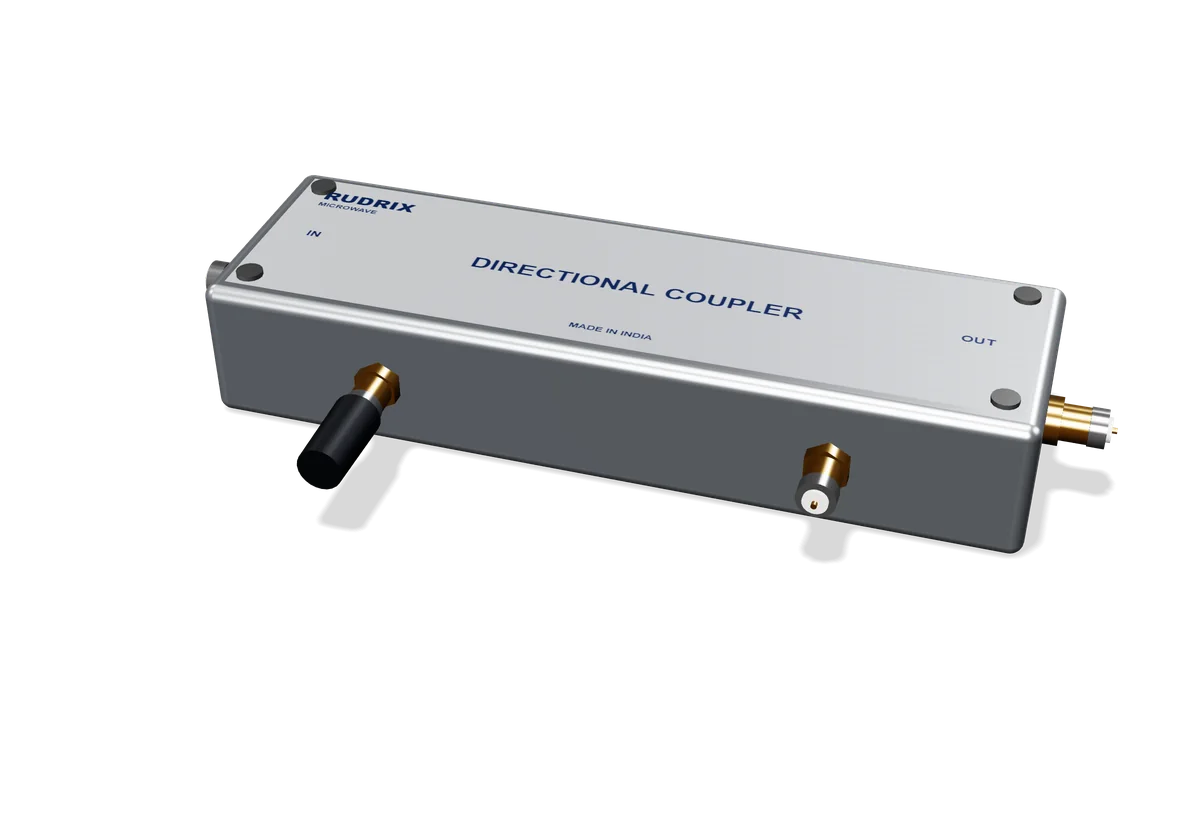
Sample forward or reflected power with defined coupling for monitoring, levelling and test.
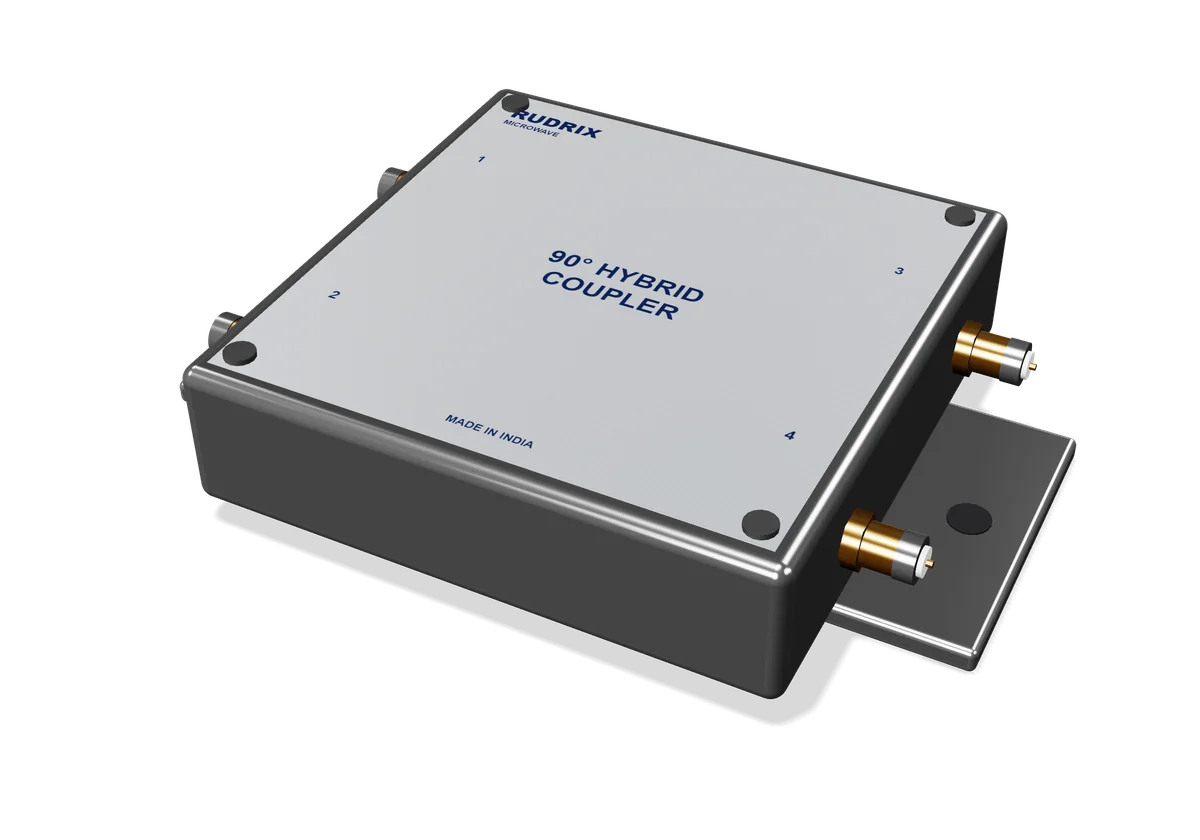
90° and 180° hybrids for balanced amplifiers, I/Q networks and beamforming matrices.
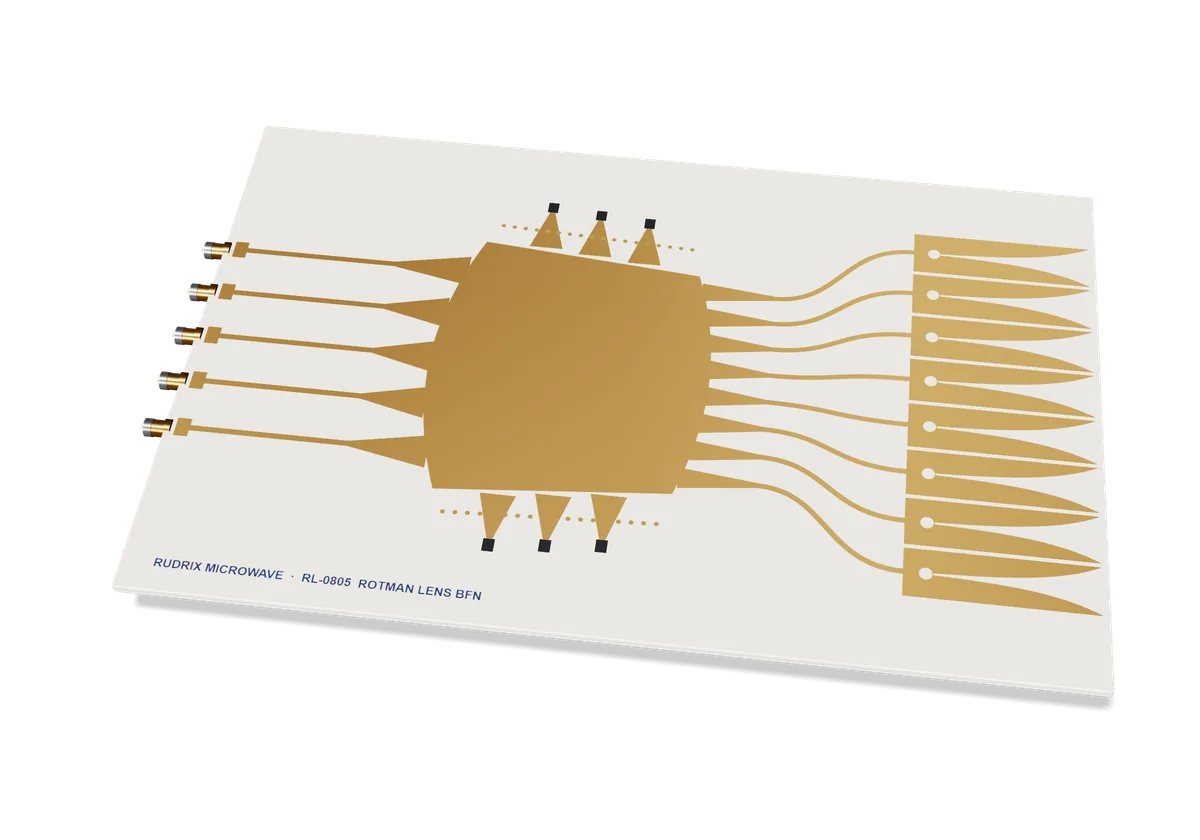
Multi-beam, true-time-delay beamformer for linear arrays. See phased-array antennas →
Band definition and impedance transformation across the signal chain.
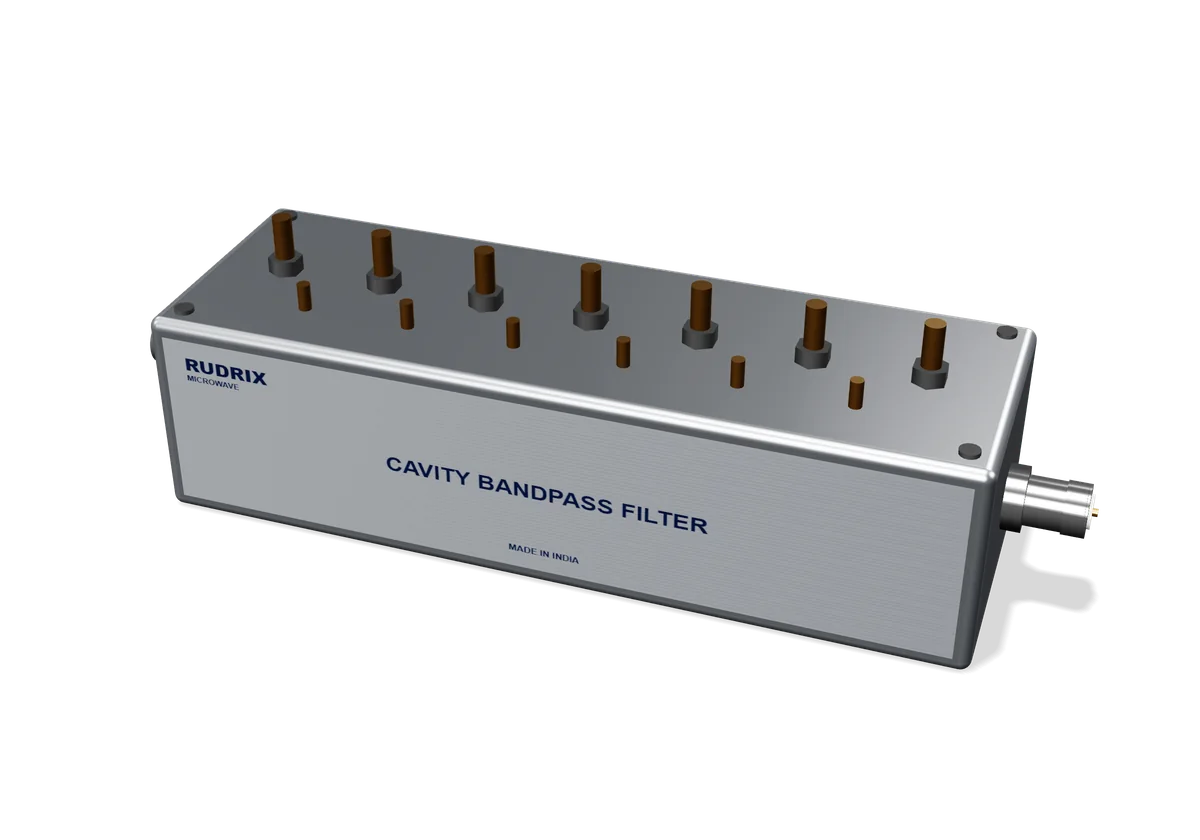
High-Q cavity and waveguide filters for low insertion loss, sharp selectivity and high power handling.
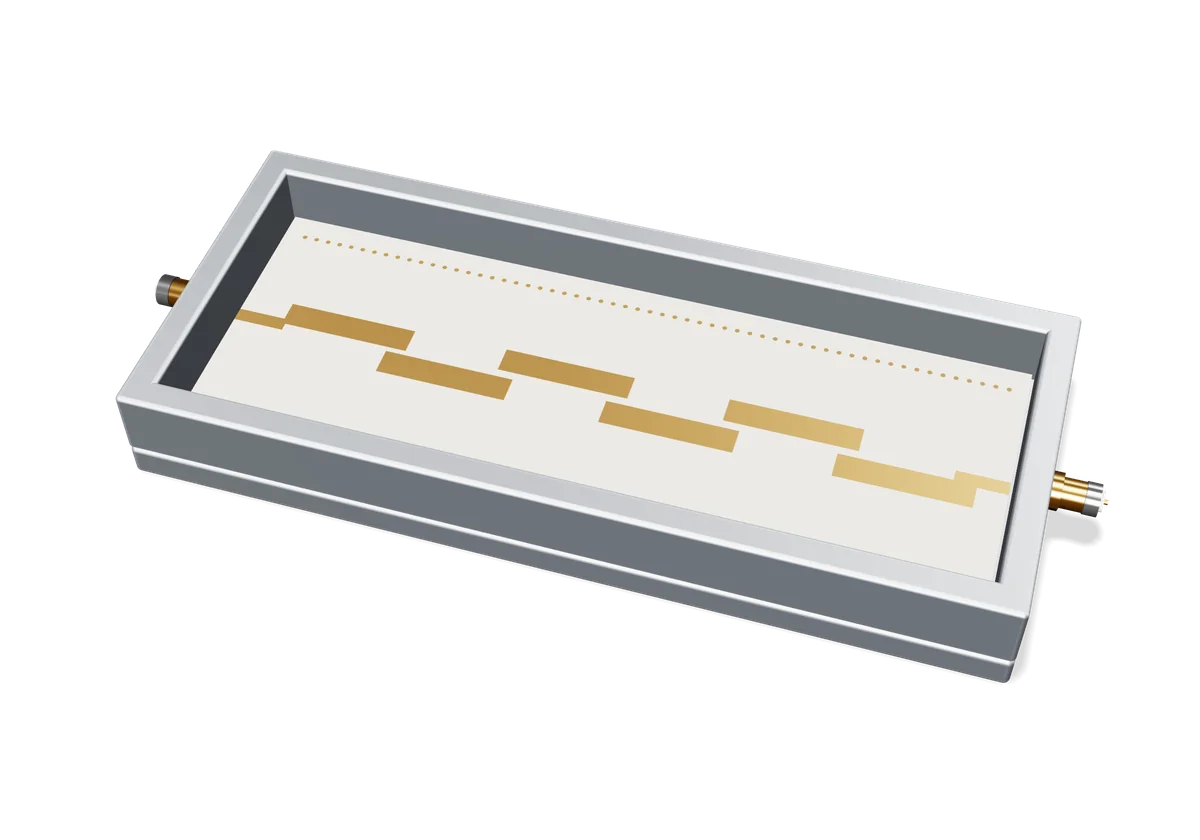
Compact printed and lumped-element filters for low-profile modules and integrated assemblies.
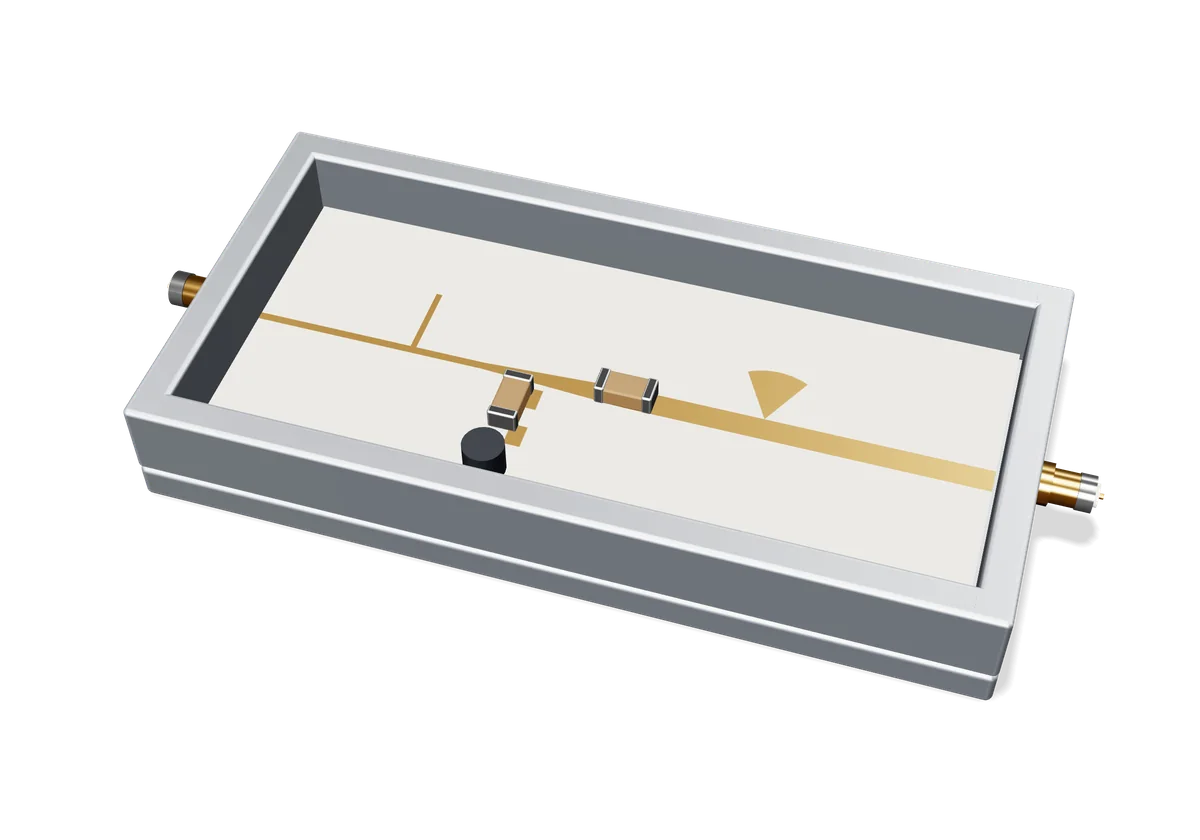
Impedance transformation for amplifiers, antennas and transitions, using printed stubs and lumped elements.
Steering, routing and protecting RF signals.
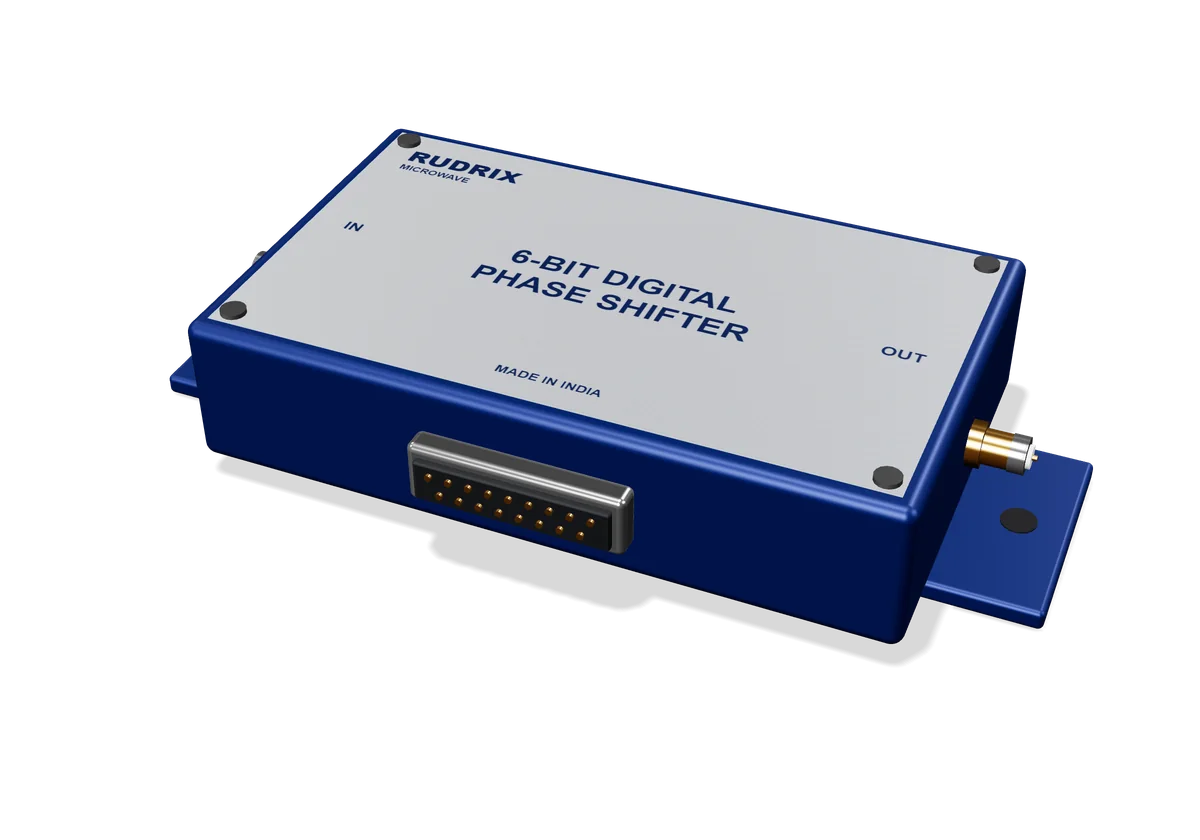
Digitally controlled phase steps for beam steering in phased-array antennas.
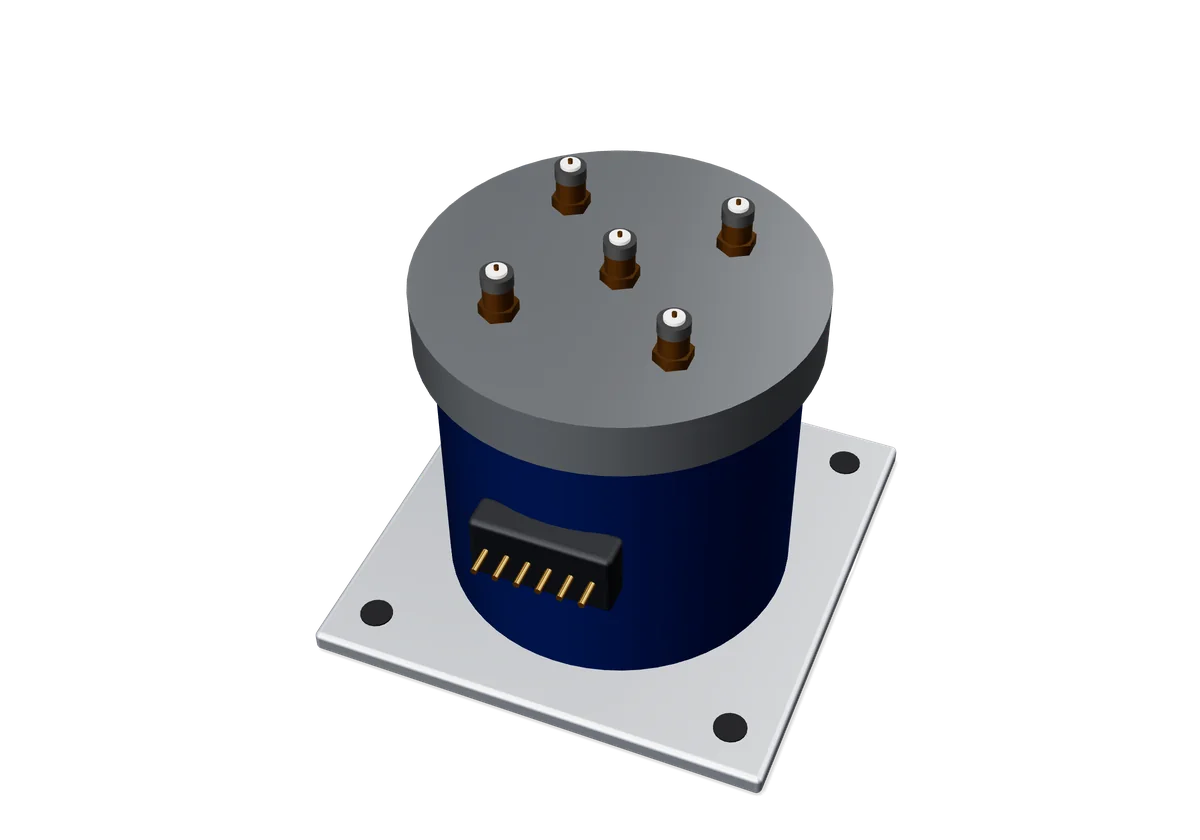
Solid-state and electromechanical switches that route signals between paths, antennas and test ports.
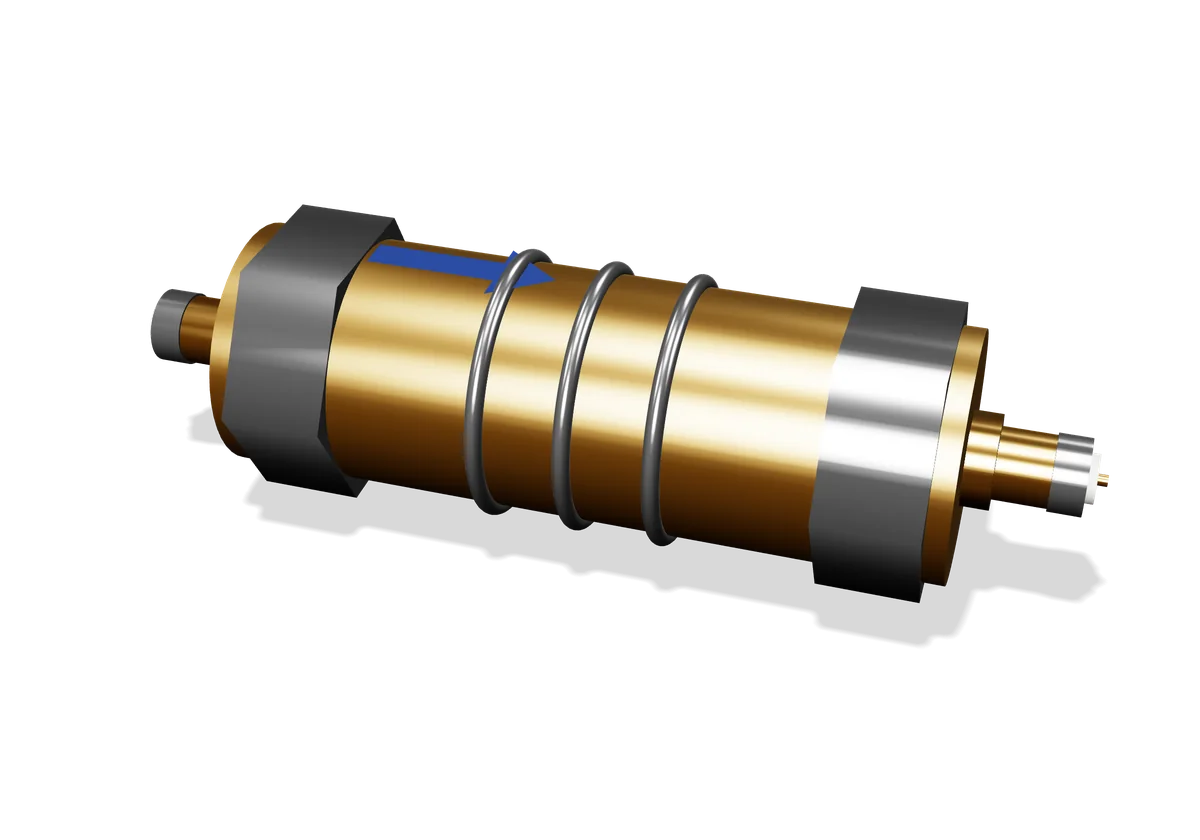
Protect sensitive receivers and LNAs from damage by high-power incident signals.
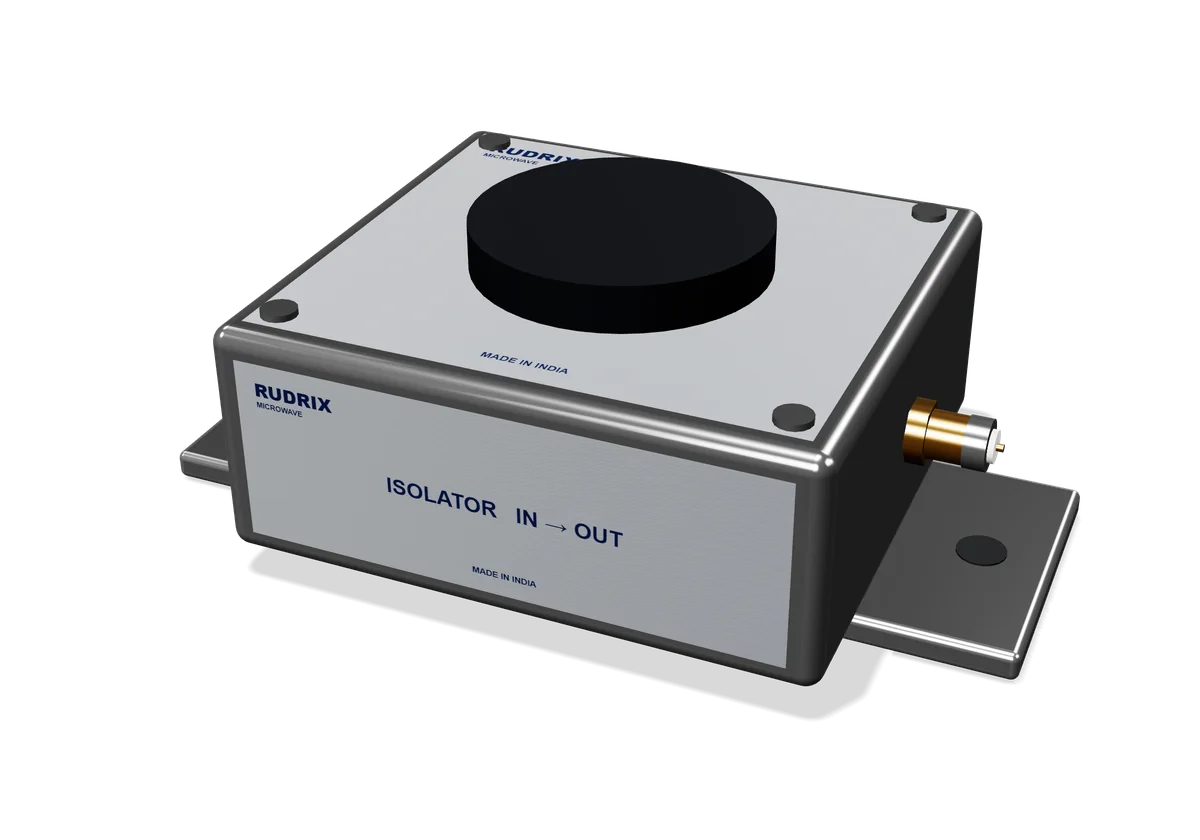
Ferrite non-reciprocal devices that pass forward power and absorb reflections to protect sources.
Low-loss, high-power transmission hardware for microwave and millimetre-wave systems.
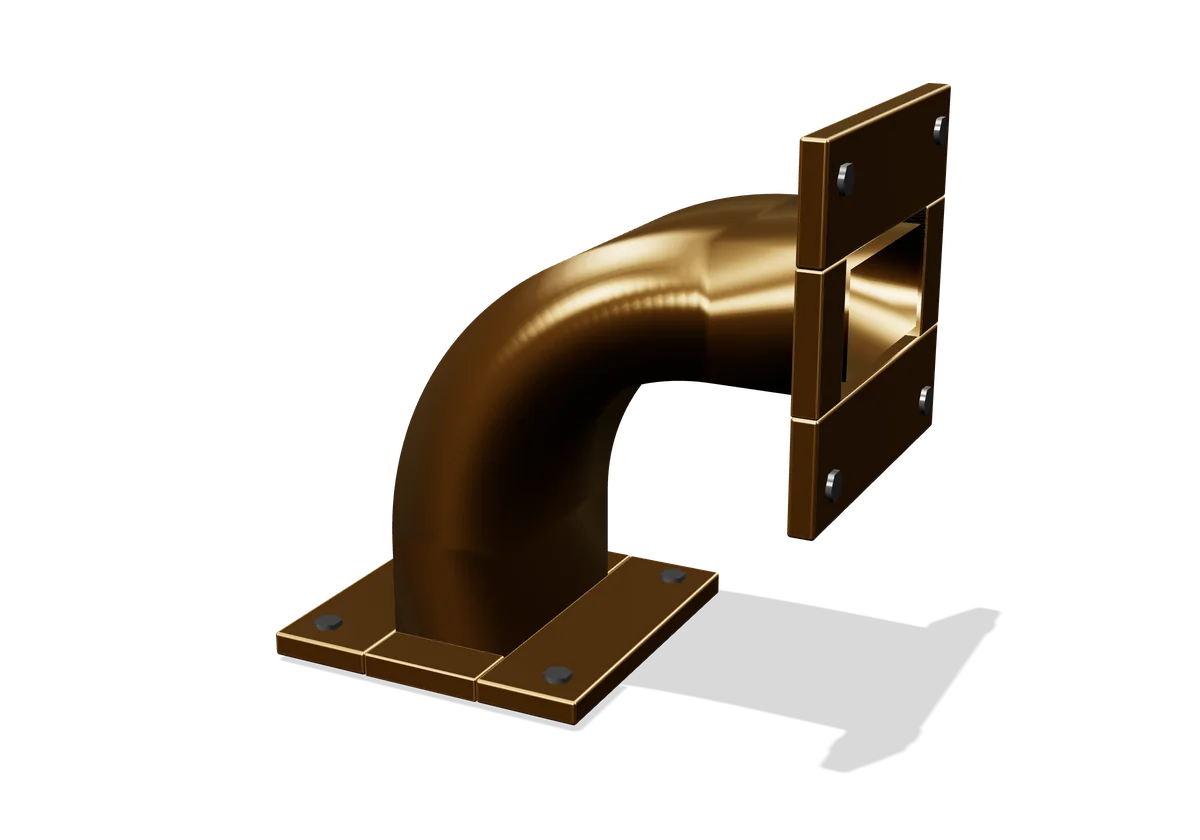
E-plane and H-plane bends for routing waveguide runs with minimal reflection.
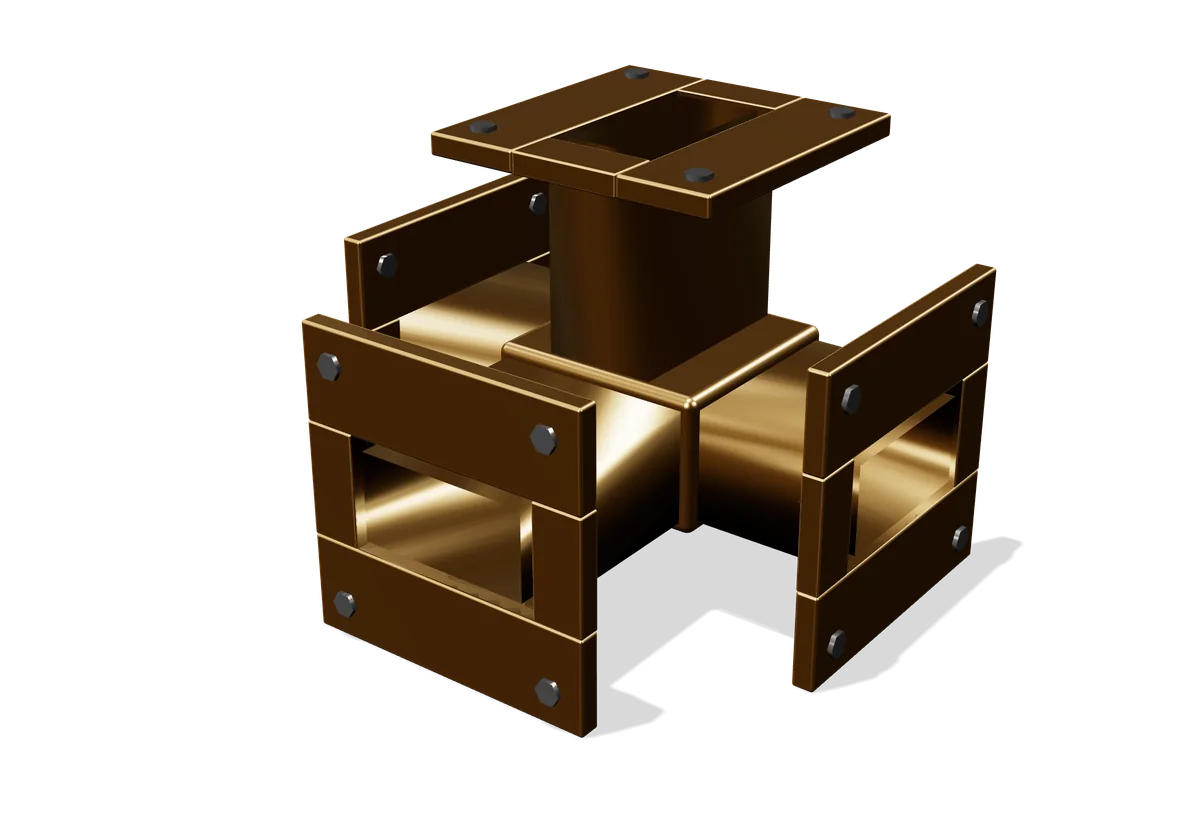
E-plane, H-plane and magic tees for power division, combining and duplexing.
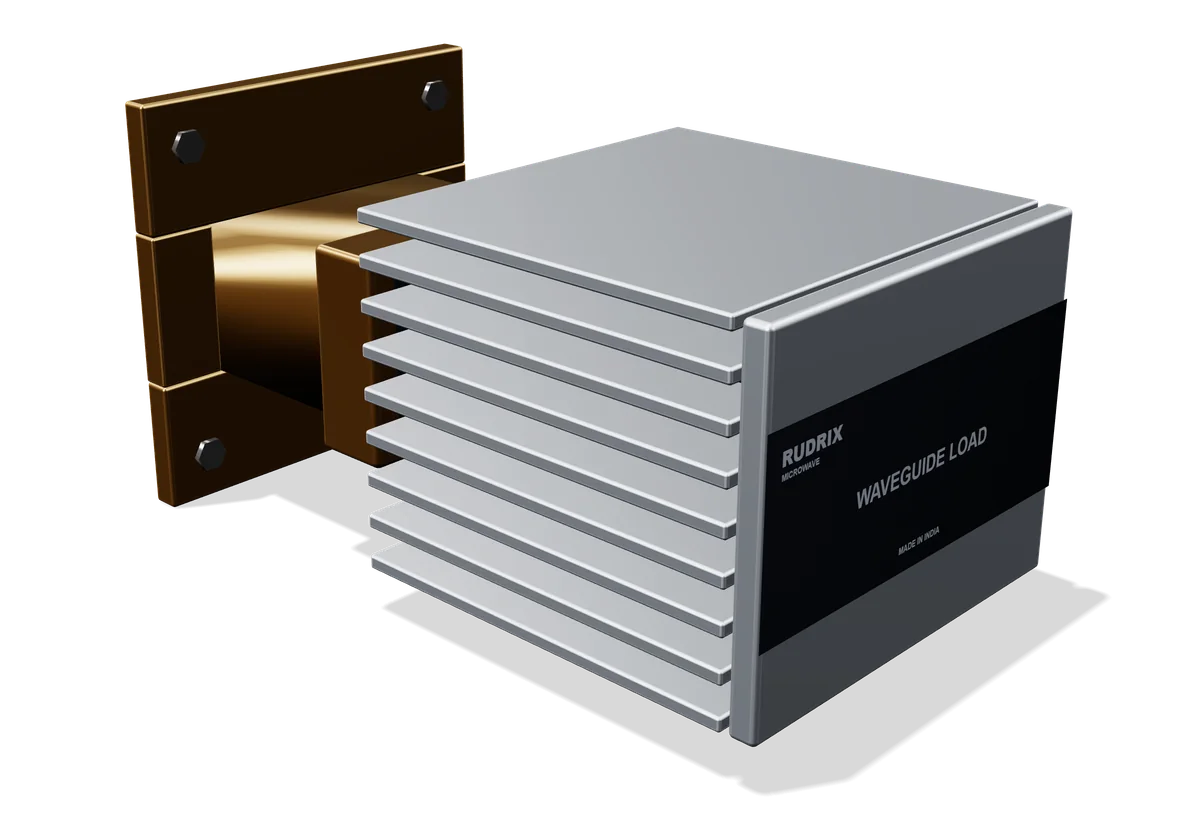
Matched loads that absorb power at the end of a waveguide line, heatsinked for high power.
Complete RF chain
From resonant elements to reflector systems and phased arrays, matched to the components on this page.
Send us your frequency band, gain or power level, interfaces and platform constraints. Our engineers will respond with a design approach.
Share Your Requirement